
Home remodeling can be a complex process. It involves many decisions, from choosing materials to hiring contractors.
One common project is replacing ceiling tiles with drywall. This can enhance the aesthetics of your home and potentially improve energy efficiency.
However, understanding the cost to replace ceiling tiles with drywall can be challenging. There are many factors to consider, including the size of the room and the type of drywall you choose.
This guide aims to simplify the process. It provides a detailed breakdown of costs and steps involved in replacing ceiling tiles with drywall.
Whether you’re remodeling an existing home or building a custom one, this guide will help you make informed decisions.

by Hieu Vu Minh (https://unsplash.com/@spoony)
Understanding Drop Ceilings and the Benefits of Drywall
Drop ceilings, also known as suspended ceilings, consist of a metal grid and lightweight tiles. These ceilings are often used in basements and commercial buildings. They offer easy access to plumbing and wiring but may not offer the best aesthetics.
Drywall, on the other hand, provides a smooth, continuous look. It has become a popular choice for many homeowners looking to enhance their interior design. Understanding the differences between these two types can help you make an informed decision.
What is a Drop Ceiling?
A drop ceiling hangs below the main structural ceiling. It typically consists of square or rectangular panels made from materials like mineral fiber or gypsum. The panels are set into a metal grid that is suspended from the ceiling. Drop ceilings can hide unsightly wires and provide easy access for repairs and maintenance.
While practical in some settings, drop ceilings can look outdated. They are often seen in commercial spaces, where functionality trumps aesthetics. In residential areas, they may feel out of place.
Advantages of Replacing Ceiling Tiles with Drywall
Replacing ceiling tiles with drywall has several advantages. First, it offers a seamless and modern finish, ideal for contemporary homes. The smooth surface of drywall can enhance the appearance of any room.
Furthermore, drywall provides better soundproofing than ceiling tiles. This is particularly beneficial in homes where noise reduction is a priority.
Drywall also has energy efficiency potential. It can be paired with insulation to reduce air leaks and improve temperature regulation. Homeowners looking to cut energy bills often find this appealing.
Finally, drywall offers versatility in design. You can paint it any color, add textures, or even create custom designs like tray ceilings. This flexibility allows for personalized aesthetics in home remodeling.
Cost Breakdown of Replacing Ceiling Tiles with Drywall
Replacing ceiling tiles with drywall involves various costs. Understanding these costs is crucial for effective budgeting. Let’s look into material and labor expenses, along with other potential costs.
Materials and Labor Costs
The cost of materials is a primary consideration. Drywall panels, joint compound, screws, and tape are needed. Prices vary depending on the quality and type of drywall. Standard drywall is generally more cost-effective, while moisture or fire-resistant types will cost more.
Labor costs can also be significant. Professional installation ensures quality but comes at a price. Generally, labor costs depend on the project scale and complexity. Hiring an experienced contractor may lead to better results but also higher fees.
Many homeowners find that professional installation offers peace of mind. While labor is a significant portion of the cost, it can prevent mistakes. In the long run, this could save time and money.
Additional Expenses to Consider
There are often additional expenses that homeowners overlook. These can include finishing materials like primer and paint. Primer is essential to prepare the drywall for painting, and choosing a good quality primer can make a difference.
Another factor is the cost of disposal. Old ceiling tiles need to be removed and disposed of responsibly. Some contractors include this in their fee, but it might incur additional charges.
If changes to wiring or plumbing are needed, costs can rise. This often happens if the ceiling space is used for utilities. Professional electricians and plumbers may need to be hired.
Lastly, consider permits and inspections. Depending on your location, these can add to your costs. Understanding local regulations before starting can save unexpected expenses.

by Claudio Schwarz (https://unsplash.com/@purzlbaum)
Factors Influencing the Cost of Drywall Installation
Several factors can influence the cost of replacing ceiling tiles with drywall. Understanding these can help manage expectations and budget effectively.
Room size is a primary cost driver. Larger rooms require more materials and labor. Similarly, ceiling height can add complexity, potentially increasing costs.
Geographical location also affects expenses. In some areas, material and labor costs are higher. This is often due to regional economic conditions.
The complexity of the design or layout plays a role. Architectural features might require additional work. Curved or vaulted ceilings, for instance, can add to costs.
Another consideration is the condition of the existing ceiling. If there are structural issues, repairs will be necessary. This can further increase the overall cost.
Here are the main factors:
- Room Size and Ceiling Height
- Geographic Location
- Design Complexity
- Condition of Existing Ceiling
Room Size and Ceiling Height
The size of the room greatly impacts costs. Larger spaces need more drywall sheets and labor. More materials naturally lead to higher expenditures.
Ceiling height also affects costs. Taller ceilings pose challenges for installation. More labor and possibly specialized equipment are needed.
Additionally, higher ceilings often lead to increased labor times. Contractors may charge more for these complexities. Understanding this can help in planning and budgeting.
Geographic Location
Where you live can greatly impact costs. In metropolitan areas, labor rates tend to be higher. Similarly, materials might cost more due to shipping distances.
Rural areas might have lower labor costs. However, material availability could lead to increased expenses. Finding the right contractor can also be more challenging.
Local building codes also vary. These differences can require specific materials or techniques. Knowing regional regulations helps in anticipating costs accurately.
Step-by-Step Guide to the Replacement Process
Embarking on a ceiling replacement project might seem daunting, but breaking it down simplifies the task. Here’s a clear guide to navigate each step. Begin with removing the old ceiling tiles. Next, prepare the area for drywall installation.
After preparation, the drywall installation starts. Securing panels and finishing follows thereafter. Each step demands attention to detail for a quality outcome.
Expect some construction noise and dust during the process. Planning and clear communication can help manage these. Preparing for these disruptions minimizes stress and inconvenience.
Before starting, gather all necessary tools and materials. This prevents delays and helps streamline the workflow. Safety gear is also essential for protection.
Here’s a concise list of steps for replacing ceiling tiles with drywall:
- Remove old ceiling tiles
- Prepare the site for new installation
- Install drywall panels
- Apply finishing touches
- Clean up the project area
Remember, each step lays the groundwork for the next. Proper execution ensures a successful transformation. With the right approach, your ceiling project can enhance both aesthetics and functionality.
Removal of Old Ceiling Tiles
Begin by assessing the current ceiling structure. Identify tile attachment points to avoid damaging underlying supports. Using a utility knife or similar tool, carefully detach each tile.
Wear safety goggles and gloves during removal. Ceiling tiles might produce debris or sharp edges. Protecting yourself from potential hazards is crucial.
Once all tiles are removed, inspect the area. Check for hidden damage or mold. Address these issues before proceeding to drywall installation. Adequate preparation ensures a smoother installation process.
Installation of New Drywall
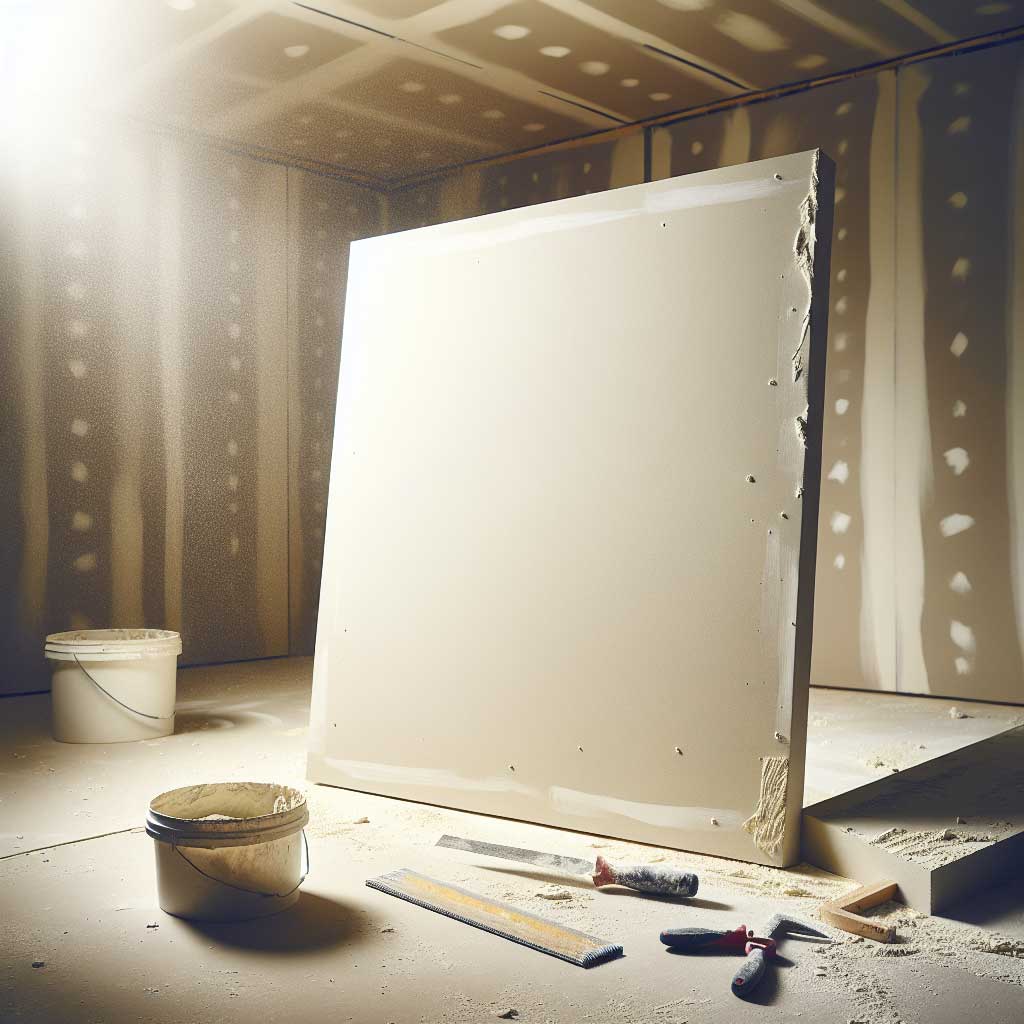
With old tiles removed, focus shifts to installing new drywall. Begin by measuring the area accurately. Cut drywall panels to fit these measurements snugly.
Position the first drywall sheet against the frame. Use drywall screws to secure it in place. Ensure screws are evenly spaced for firm attachment.
After securing all panels, proceed to tape joints. This step prevents visible seams. Apply joint compound over the tape for a smooth surface.
Allow the compound to dry fully. Once dry, sand it down for a seamless finish. This prepares the surface for priming and painting.
Take care to maintain cleanliness during installation. Dust and debris can affect the finish. Clean as you go to ensure a professional result.
by ThisisEngineering (https://unsplash.com/@thisisengineering)
Energy Efficiency and Insulation Considerations
Energy efficiency is a priority in modern home remodeling. Replacing ceiling tiles with drywall offers an opportunity to improve it. Proper insulation plays a key role in this upgrade.
When installing drywall, consider the insulation behind it. This can significantly reduce energy loss. It’s crucial to choose the right insulation type for your climate.
Additionally, sealing any gaps or cracks prevents air leaks. This step enhances the thermal performance of your home. A well-insulated ceiling keeps rooms comfortable year-round.
Energy-efficient homes not only lower bills but also increase property value. With the right choices, your ceiling remodel contributes to this goal. Making informed decisions during this stage pays off long-term.
Finally, don’t overlook the potential for tax incentives. Energy-efficient improvements may qualify you for rebates. Check local programs for opportunities to save.
by Frédéric Paulussen (https://unsplash.com/@fredography)
The Role of Insulation in Energy Savings
Insulation is a cornerstone of energy conservation. It acts as a barrier against unwanted thermal exchange. Properly insulated ceilings reduce heating and cooling demands.
Effective insulation can lower monthly energy bills. It decreases the load on HVAC systems, enhancing their lifespan. Choose the right R-value for optimal thermal resistance.
Placement and type of insulation impact energy savings. Ensure coverage is uniform with no gaps. This attention to detail maximizes efficiency gains.
Choosing the Right Materials for Energy Efficiency
Selecting drywall and insulation materials wisely is essential. Look for products with high thermal resistance. These contribute significantly to energy conservation efforts.
Consider moisture-resistant drywall in humid areas. It prevents mold growth, maintaining air quality. Pair it with insulation suitable for your local climate.
Additionally, explore sustainable building materials. Options such as recycled drywall offer environmental benefits. They minimize ecological impact while enhancing energy performance.
Hiring a Qualified Contractor
Selecting the right contractor is crucial for a successful ceiling remodel. A skilled professional ensures quality work and meets your expectations. The process involves careful evaluation and selection.
Begin by researching local contractors. Look for those with experience in drywall installation and remodeling. Read reviews and check past project portfolios to gauge their expertise.
Request quotes from multiple contractors to compare pricing and services. Ensure they are fully licensed and insured. This protects you from potential liabilities during the project.
Furthermore, a good contractor communicates well and listens to your needs. They should provide a clear project timeline. Transparency in all dealings is a must for a smooth experience.
Finally, ensure the contract includes all project specifics. This includes the scope of work, timeline, and payment terms. A detailed contract prevents misunderstandings later on.
Finding the Right Professional for the Job
Finding the right contractor involves more than just a quick search. Take time to gather recommendations from friends or family. Personal referrals often lead to trustworthy professionals.
Online resources can also help in narrowing down potential contractors. Websites like Yelp and Angie’s List provide valuable reviews. These insights give a better picture of a contractor’s reputation.
When you have a shortlist, conduct interviews. Ask about their experience with similar projects. This direct interaction can help in assessing their suitability.
Questions to Ask Your Contractor
Before hiring, prepare a list of questions for potential contractors. These questions should cover essential project details. It helps set expectations from the start.
- What’s your experience with drywall ceiling installations?
- Can you provide references from past clients?
- How do you handle any unexpected issues during a project?
Understanding their problem-solving approach is key. Additionally, discuss timelines and completion dates. A clear schedule helps manage your expectations and minimizes delays.
Final Considerations: Permits, Codes, and Cleanup
Concluding your ceiling replacement project involves more than just aesthetics. Compliance and cleanliness are essential for successful completion. These factors ensure safety and satisfaction.
Building codes and permits play a critical role in remodeling projects. They ensure that all work meets safety standards. Adhering to these regulations avoids future legal complications.
Additionally, a thorough cleanup is vital post-installation. It prevents health hazards and enhances the final look. A clean space ensures a comfortable and safe home environment.
Finalize your project with attention to the following considerations:
- Verify that all necessary permits are obtained.
- Ensure compliance with local building codes.
- Plan for thorough cleaning and debris removal.
These steps wrap up your project on a high note. A well-executed plan leads to lasting satisfaction.
Understanding Building Codes and Permits
Navigating building codes and permits can be daunting. However, they are crucial for ensuring safety. These regulations dictate the minimum standards for structural integrity.
Before starting your project, verify what permits you need. This varies by location and project scope. Contact local authorities or consult your contractor for guidance.
Ensuring compliance protects against fines and issues. It guarantees that your ceiling remodel aligns with legal standards. This step is non-negotiable for a smooth remodel process.
The Importance of a Thorough Cleanup
Post-renovation, a thorough cleanup is essential. This step ensures your space is safe and livable. Dust and debris can pose health risks if left unchecked.
Effective cleanup involves more than just sweeping floors. It includes clearing away all construction waste and dust. It’s often best handled by professionals to ensure comprehensive results.
Moreover, a clean space highlights your new ceiling’s beauty. Removing all remnants of construction enhances overall satisfaction. A pristine environment completes the transformation process.
Conclusion
Replacing ceiling tiles with drywall is a worthwhile investment. It brings aesthetic, acoustic, and energy efficiency improvements. This upgrade not only beautifies your home but also enhances comfort.
The process involves careful planning and understanding. From recognizing cost components to hiring the right contractor, each step is crucial. Proper planning leads to a smooth and successful project.
Ultimately, consider both immediate and long-term benefits. Beyond the aesthetics, energy savings contribute to lower utility costs. Embrace this change for a more modern and efficient living space.