
Behind every beautiful room lies a layer of craftsmanship that often goes unnoticed. Drywall is that layer. It forms the structure that supports color, texture, and design. It smooths out the edges between imagination and reality. And while it may seem like a routine part of construction, drywall installation is one of the most crucial stages in any project.
For homeowners planning a renovation, or builders managing a new development, knowing what to expect during drywall installation can make all the difference. It’s the step that turns rough framing into the bones of your living or working space.
Let’s walk through the process of drywall installation—from prep work to the final sanding pass—and uncover why this phase is so vital to the long-term success and visual appeal of your interior.
The Purpose of Drywall: More Than Just a Wall
Drywall (also known as gypsum board or sheetrock) does far more than simply divide rooms. It provides fire resistance, sound dampening, and energy efficiency while creating a smooth, clean canvas for paint, wallpaper, or texture.
But none of these benefits come automatically. They rely on the drywall being installed correctly, with the right materials, proper alignment, and professional finishing. When you understand how drywall is installed, you start to see why precision and skill are essential to building better walls.
Step 1: Pre-Installation Preparation
Before any sheets go up, there’s a checklist that has to be completed. The framing must be inspected for straightness and structural integrity. Insulation should already be in place, electrical and plumbing systems roughed-in, and blocking installed where necessary.
This preparation phase is vital because drywall doesn’t hide flaws—it reveals them. Crooked framing will cause uneven walls. Missing blocking can lead to weak spots. Everything behind the drywall must be clean, dry, and ready for the next layer.
Professionals take the time to double-check measurements, clear debris, and ensure the work area is safe and accessible. This ensures a smooth process from start to finish—and fewer surprises later.
Step 2: Hanging the Drywall
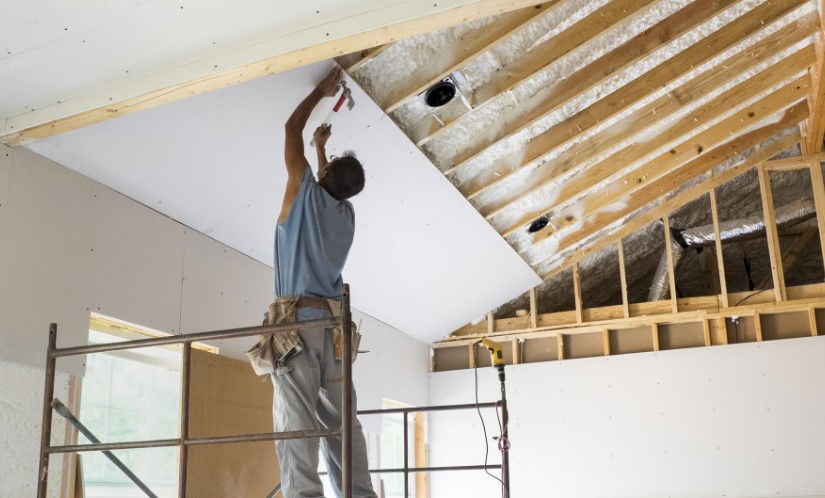
Once the prep work is complete, the physical installation begins. Large sheets of drywall—usually 4×8 or 4×12 feet—are lifted into place and fastened to the wall studs or ceiling joists using drywall screws.
This part of the process may look straightforward, but it’s full of decisions that impact the final result. For example:
- Which direction should the sheets run? (Typically horizontal for residential walls)
- Where should seams be placed to reduce cracking or visibility?
- How are openings like outlets and windows cut out cleanly and precisely?
Installers use lifts and specialized tools to handle ceiling panels, ensuring they’re flush and level. Every screw is carefully placed so that it doesn’t break the surface of the drywall or protrude—both common issues in rushed jobs.
Step 3: Taping the Seams
Once all the panels are securely fastened, the next step is to address the joints where each sheet meets another. This is done by applying a special drywall tape—either paper or mesh—over the seams.
The purpose of this tape is to create a strong bond that prevents cracking as the home naturally shifts and settles over time. But it’s not just about strength. It’s also about appearance. The seams must disappear once the wall is finished.
This is one of the first steps where a drywall pro’s experience makes a huge difference. Poor taping can lead to bubbling, cracking, or visible lines that show through even after painting.
Step 4: Applying Joint Compound (Mudding)
After taping, a joint compound—commonly called mud—is applied over the seams, screw heads, and any imperfections on the drywall surface. This process typically involves multiple coats:
- First Coat: Fills the seams and embeds the tape
- Second Coat: Smooths over the joints and evens out the surface
- Final Coat: Feathers the edges and ensures a seamless finish
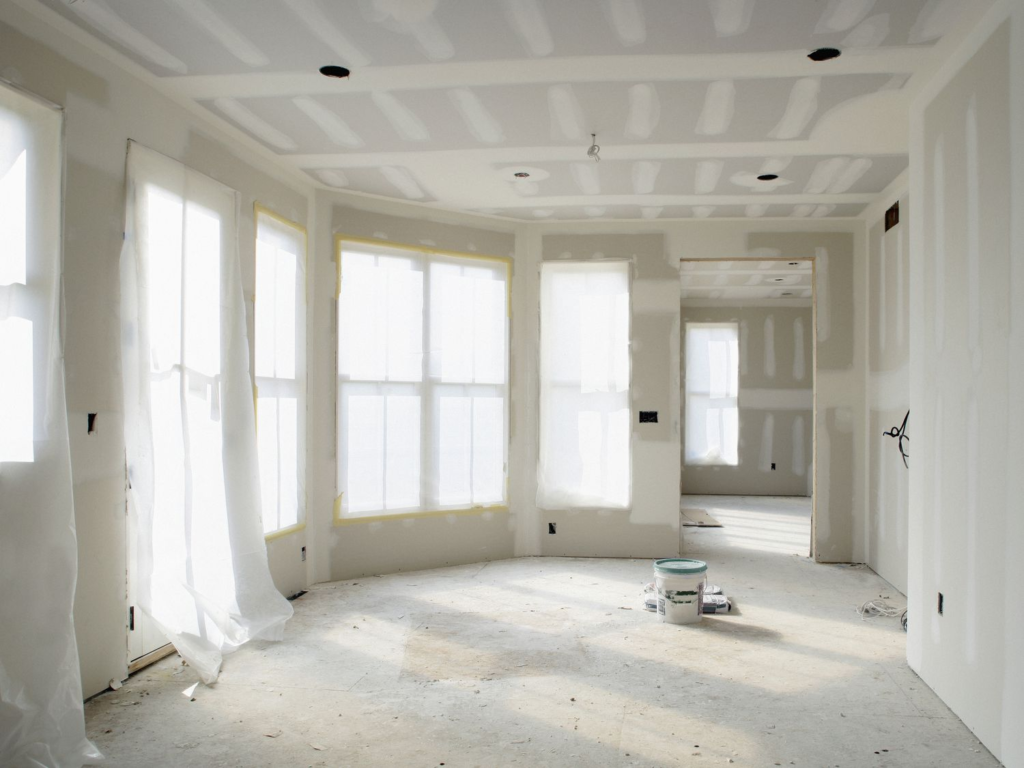
Each layer needs time to dry fully before the next is applied, and drying times can vary based on humidity, temperature, and the type of compound used. Patience during this phase pays off, as rushing mudding can lead to uneven surfaces and a poor final result.
Step 5: Sanding and Surface Prep
Once the final coat of joint compound is dry, it’s time to sand. This is where the wall truly begins to feel finished. The goal is to smooth out ridges, bumps, and lines left behind by the taping knife, resulting in a flawless surface.
Professionals use a combination of hand sanding and pole sanders to get the right texture without over-sanding, which can damage the drywall or expose the tape underneath.
At this point, the wall is inspected under natural and artificial lighting to catch any remaining imperfections. This is the last chance to make adjustments before the finish is applied.
Step 6: Texture or Smooth Finish (Optional)
Depending on the design preference, the wall may now receive a custom texture—like knockdown, orange peel, or skip trowel. These textures can add character, hide minor imperfections, and enhance the overall feel of the room.
Alternatively, a smooth finish may be applied, which requires even more precise sanding and a perfectly even surface. Smooth finishes are popular in modern and minimalist interiors but demand high levels of skill to pull off properly.
Whether textured or smooth, this phase is about giving the walls their final personality—turning a blank canvas into part of the room’s identity.
Step 7: Ready for Paint or Wallpaper
With the surface prepped and cleaned, the walls are now ready for the final design layer. At this point, the drywall installer’s work is largely invisible—but the quality of their work is what determines how good the paint or wallpaper looks.
Even the best paints can’t hide uneven surfaces or bumpy seams. That’s why what happens before the brush hits the wall matters just as much as the color you choose.
What Makes a Better Wall?
So, what actually makes drywall “better”? It’s not just flatness—it’s how well the wall holds up over time. It’s how smooth it feels when you run your hand across it. It’s how it reflects light, how it absorbs sound, and how easily it resists wear.
Better drywall installation means:
- Fewer visible seams and imperfections
- Stronger, longer-lasting walls
- Reduced risk of cracking or bubbling
- A superior surface for painting or design
- Increased energy efficiency and soundproofing
The Brawler Drywall Difference
At Brawler Drywall, we don’t believe in shortcuts. We believe in doing it right the first time—because better walls build better spaces. Every job we take on, whether residential or commercial, is approached with care, expertise, and an eye for detail.
We use top-quality materials, advanced tools, and proven techniques to ensure your drywall isn’t just installed—it’s crafted. From pre-installation checks to the final sanding pass, we’re committed to giving you walls that perform as beautifully as they look.
Final Thoughts: It’s Not Just Drywall, It’s the Backbone of Your Space
Drywall might not be glamorous, but it’s foundational. It’s what allows a space to be more than just a shell. It’s the unseen layer of structure that gives rooms their polish, strength, and warmth.
Understanding what to expect during drywall installation helps you plan better, ask the right questions, and invest in long-term quality. And when you work with professionals who care about every detail, the difference is obvious in every room you enter.